







Do you ever wonder why and how that one classmate is always able to ace their math exams? Don’t worry, we hope this post provides you with the right techniques and mindset to achieve your academic goals. A lot of students often feel an extra sense of pressure on exam days, this along with inefficient preparation and a negative mindset leads to result below expectations.
- A smart strategy is to break big topics into smaller parts. Maths can feel overwhelming when you look at a whole chapter at once. Instead, focus on one small skill at a time. For example, in algebra you might first practise rearranging equations, then solving simple ones, then move on to harder problems. Small steps are easier to learn and easier to remember.

- Practice is very important, but it needs to be done in a smart way. Doing lots of questions quickly without checking your work does not help much. A better way is to do a smaller number of questions, check your answers carefully, and really look at your mistakes. This is where using a logbook can make a big difference. In your logbook, write down questions you got wrong, what mistake you made, and what the correct method is. Over time, you will start to see patterns in your mistakes. Maybe you rush, forget a rule, or misread the question. This helps you see your weak points clearly so you can work on them during practice.
- Strong basics also matter a lot in exams. Many marks are lost because of simple errors with signs, fractions, algebra, or reading the question properly. If your core skills are solid, harder questions become much easier to handle. Spend time making sure you are comfortable with things like using formulas, working with fractions, and reading graphs. These skills come up again and again.
- Using past exams and practice tests is another great way to prepare. They show you the style of questions you are likely to see and help you practise working under time pressure. Try to do them in exam conditions, without notes and with a time limit. After you finish, mark your work carefully and add any mistakes to your logbook. This kind of practice builds both skill and confidence.

- Learning to show your working clearly is also important. In many maths exams, you get marks for the method, not just the final answer. Clear steps help the marker see what you did, and they also help you think more clearly. Neat working makes it easier to spot mistakes when you check your answers at the end.
- How you revise matters too. Long study sessions can leave you tired and unfocused. Short, focused sessions work much better. Try studying for thirty to forty five minutes with one clear goal, then take a short break. Also, review topics regularly instead of only before tests. A quick weekly review can stop you from forgetting what you learned earlier.
- On the day of the exam, take a moment to settle yourself before you start. Read the instructions carefully, plan your time, and start with questions you feel more confident about. This helps build momentum and reduces nerves. As you work through the paper, keep an eye on the time and your progress. If you finish early, use the extra time to check your answers carefully. Look for sign errors, calculation mistakes, and questions you might have misread. Many students can pick up extra marks just by doing a careful check at the end.
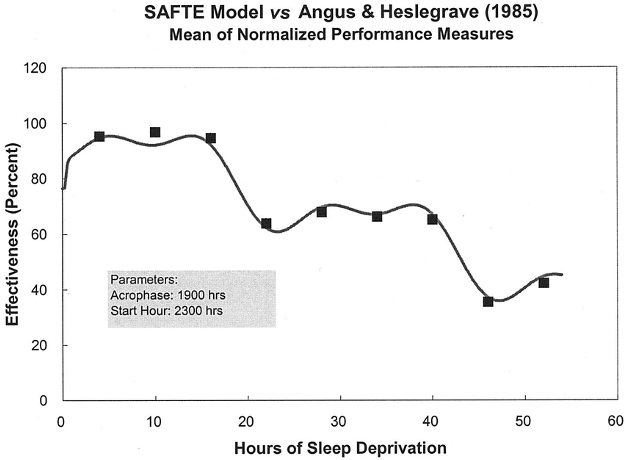
- Look after yourself. Getting enough sleep, eating something sensible, and staying hydrated all help your brain work better. A calm and rested mind finds it much easier to think clearly. The diagram below shows the effect on mental efficiency when compared against sleep deprivation, often accumulated over days, weeks, and months.
- What good is it to get into a state of worry and despair, the thoughts you fill your mind with often lead to likewise outcomes in the real world. That’s why it’s just as important to bullet proof your mind and belief system as it is your strategy and skills.
In the end, doing well in maths exams is about good habits, smart practice, and learning from mistakes. With tools like a logbook, regular practice, and clear study goals, good results are something you can build, not something you are born with.
#vce #mathstutor #boxhill #melbourne #mathsmethods #furthermaths #generalmaths #specialistmaths #selectiveentryexam #selectiveentryexammaths